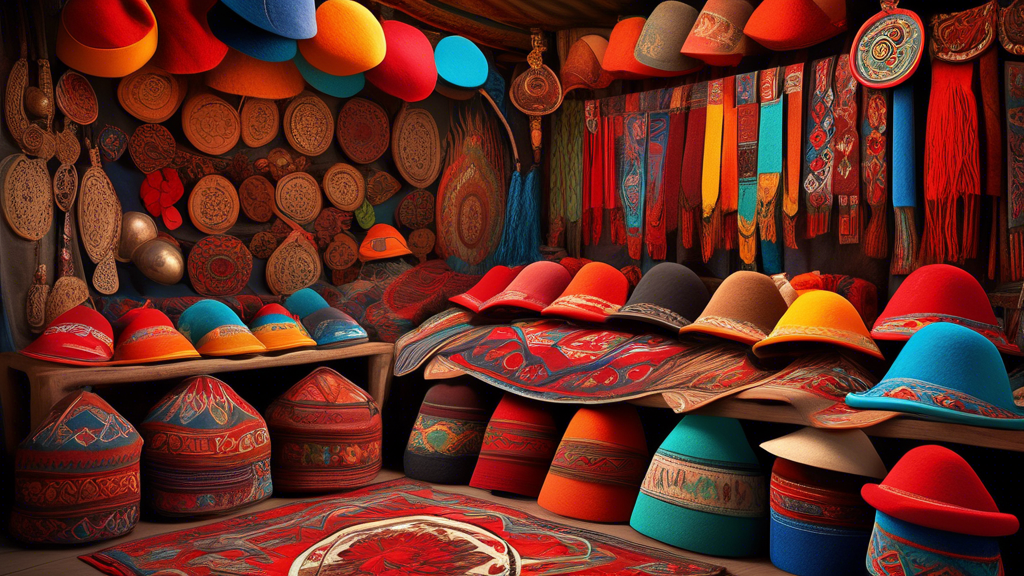
When traveling to the heart of Central Asia, you will find a treasure trove of unique and authentic souvenirs from Kyrgyzstan, a destination well-known for its rich cultural heritage and artisanal craftsmanship. Whether you are shopping for yourself or looking for the perfect gift, the array of souvenirs available in Kyrgyzstan promises to impress.
From intricately handcrafted felt products such as shyrdaks and ala-kiyiz that echo the age-old traditions of nomadic life, to meticulously carved wooden jewelry boxes and utensils, the brilliance of Kyrgyz artisans shines through every piece. For those who cherish textiles, the handmade silk and wool scarves and rugs will not only add elegance to your collection but also tell stories of the land’s vibrant artistry.
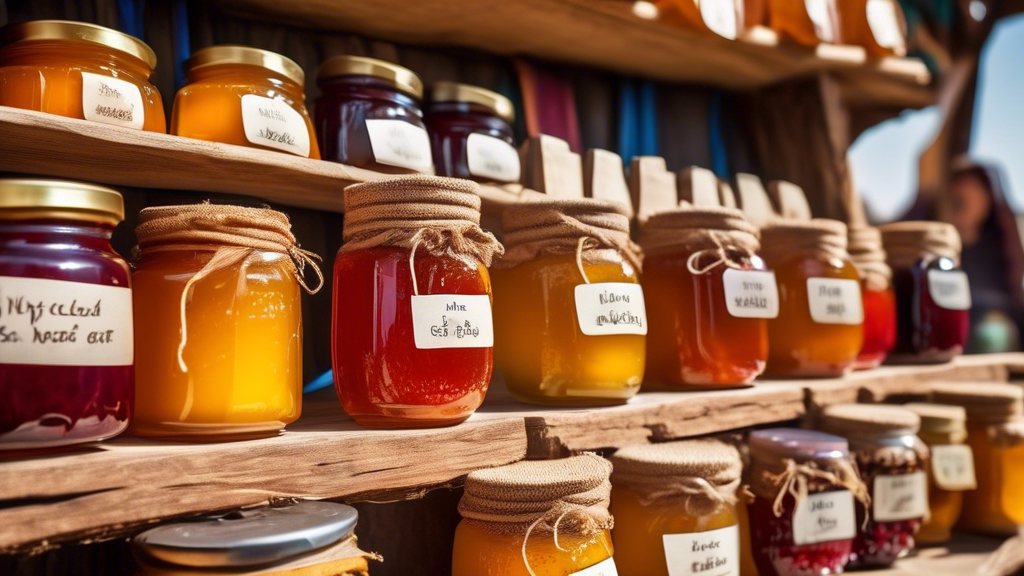
Kyrgyzstan is also home to an array of delightful culinary souvenirs that are sure to tantalize your taste buds and capture the essence of its gastronomic culture. The local honey and jams offer a sweet taste of Kyrgyz landscapes, while traditional dairy products like kymyz and kurut provide a unique culinary experience that is both authentic and delightful.
Don’t miss out on the aromatic spices and herbal teas that pack a flavorful punch—ideal keepsakes for any culinary enthusiast. Each souvenir encapsulates a piece of Kyrgyzstan’s soulful heritage, making your memories of this beautiful country even more unforgettable.
Unique Handcrafted Souvenirs from Kyrgyzstan
Kyrgyzstan is a land of rich cultural heritage and stunning natural beauty. When visiting this Central Asian gem, you’ll find a plethora of unique handcrafted souvenirs that reflect the country’s deep traditions and artisanal craftsmanship. Let’s explore some of the most remarkable keepsakes you can bring home.
Traditional Felt Products: Shyrdaks and Ala-Kiyiz
Felt-making is an ancient craft in Kyrgyzstan, deeply intertwined with the nomadic lifestyle of its people. Among the most iconic felt products are shyrdaks and ala-kiyiz.
Shyrdaks are traditional felt rugs, renowned for their intricate geometric patterns and vibrant colors. These rugs are painstakingly crafted by Kyrgyz artisans using age-old techniques passed down through generations. They involve layering differently colored pieces of felt and stitching them together to create intricate designs that often tell stories or symbolize aspects of Kyrgyz culture.
On the other hand, ala-kiyiz rugs are made using a somewhat different technique where colored wool fibers are laid on a base layer of felt and then pressed together. This results in a more abstract, watercolor-like appearance. Both kinds of rugs are not just functional items but also works of art that can add a touch of exotic elegance to any home.
Intricately Carved Wooden Items: Jewelry Boxes and Utensils
Woodcarving is another traditional craft that has flourished in Kyrgyzstan. The skill and artistry that go into the creation of intricately carved wooden items are truly impressive. Among the most sought-after wooden souvenirs are jewelry boxes and kitchen utensils.
The jewelry boxes are often adorned with elaborate carvings, featuring motifs inspired by nature, mythology, or daily life. These boxes are not only beautiful but also serve as practical storage for your treasured trinkets. They make for memorable gifts that carry the essence of Kyrgyz craftsmanship wherever they go.
Kyrgyz wooden kitchen utensils, such as spoons, ladles, and bowls, are also popular souvenirs. These items are crafted from various types of wood, such as walnut and juniper, known for their durability and fine grain. The artisans often carve intricate patterns on these utensils, turning everyday items into pieces of art that you can use in your kitchen.
Handmade Silk and Wool Textiles: Scarves and Rugs
Kyrgyzstan’s textile tradition is as rich and varied as its landscapes. Among the country’s most exquisite handmade textiles are silk and wool products, such as scarves and rugs.
Kyrgyz silk scarves are highly sought-after for their quality and elegance. They are usually made from locally sourced silk and feature traditional designs, often inspired by nature’s beauty. The lightweight, breathable material makes these scarves perfect for any season, and their unique patterns can add a splash of color and sophistication to any outfit.
Wool rugs in Kyrgyzstan are another testament to the skill of local artisans. These rugs are often woven or felted and come in various designs and sizes. You can find everything from small decorative pieces to larger, room-sized rugs. The wool used in these rugs is locally sourced, ensuring that each piece is both authentic and of the highest quality.
These wool rugs often feature traditional Kyrgyz patterns and symbols, which add a layer of cultural significance to their visual appeal. Whether you use them as floor coverings or wall hangings, these rugs bring a touch of Kyrgyz craftsmanship into your living space.
In conclusion, when you visit Kyrgyzstan, take the time to explore its unique handcrafted souvenirs. Whether you opt for traditional felt products like shyrdaks and ala-kiyiz, intricately carved wooden items such as jewelry boxes and utensils, or handmade silk and wool textiles like scarves and rugs, each piece offers a glimpse into the country’s rich heritage and artisanal excellence. These souvenirs are not only beautiful but also serve as lasting reminders of your journey through this enchanting land.
Authentic Kyrgyz Culinary Souvenirs
Local Honey and Jams: Taste the Authentic Flavors
Kyrgyzstan’s diverse flora and pristine natural landscapes provide the perfect environment for the production of exquisite honey and jams. Bringing home a jar of Kyrgyz honey or a pot of local jam allows you to savor the rich, unadulterated flavors of this Central Asian country.
Beekeeping is a significant part of rural life in Kyrgyzstan, and the honey produced here boasts a distinct taste influenced by the unique flowers and plants that grow in the region.
One of the most sought-after varieties is Son-Kul honey, named after the alpine lake it originates from. The high-altitude pastures contribute to Son-Kul honey’s unique floral notes and exceptional purity.
Additionally, sampling the variety of fruit jams available in Kyrgyzstan offers a sweet insight into the country’s agricultural bounty. Apricot, cherry, and wild berry jams are particularly popular, providing a delectable way to enjoy the natural sweetness of Kyrgyz fruits.
Traditional Dairy Products: Kymyz and Kurut
No visit to Kyrgyzstan would be complete without experiencing its traditional dairy products, chief among them being kymyz and kurut. Kymyz is a fermented dairy drink made from mare’s milk. It holds a special place in Kyrgyz culture, often consumed during the warm months.
This beverage is slightly alcoholic due to the fermentation process, offering a unique tart flavor that reflects the country’s nomadic heritage. Kymyz is not just a refreshing drink, but it also boasts numerous health benefits, such as aiding digestion and boosting the immune system.
On the other hand, kurut represents a very different dairy experience. These dried balls of fermented milk are a popular snack throughout Kyrgyzstan. They come in various flavors, from plain to spicy, offering a nutritious bite on the go. Kurut is made by straining yogurt, shaping it into small balls, and then drying them in the sun. This preservation method ensures kurut has a long shelf life, making it an ideal souvenir for travelers.
Spices and Herbal Teas: Aromatic and Flavorful Souvenirs
Spices and herbal teas form an essential part of Kyrgyz culinary tradition, making them ideal souvenirs for those interested in bringing a piece of Kyrgyz flavor home. Spices like cumin, coriander, and barberry are commonly used in Kyrgyz cuisine, enhancing the rich flavors of dishes like plov (a flavorful rice dish) and laghman (hand-pulled noodles). A blend of these spices allows you to recreate authentic Kyrgyz meals in your own kitchen.
Herbal teas also play a significant role in Kyrgyzstan’s culture and health practices. The country’s mountainous regions abound with wild herbs that locals have used for centuries to brew aromatic and medicinal teas. Popular herbal combinations include wild thyme, peppermint, and rosehip, each bringing unique benefits and flavors.
Wild thyme tea, for example, is often consumed for its calming properties and rich taste. By purchasing these herbs as souvenirs, you can bring home not only the flavors of Kyrgyzstan but also its natural wellness traditions.
In conclusion, Kyrgyzstan offers a rich tapestry of souvenirs that reflect its unique cultural heritage and craftsmanship. The handcrafted felt products, such as the vibrant shyrdaks and ala-kiyiz, showcase the intricate artistry passed down through generations.
Intricately carved wooden items, including jewelry boxes and utensils, highlight the skill and dedication of local artisans, providing not just utility but also a piece of Kyrgyz art. The handmade silk and wool textiles, such as scarves and rugs, convey stories through their meticulous patterns and vibrant colors, embodying centuries-old traditions.
Equally appealing are the authentic culinary souvenirs that allow one to take a literal taste of Kyrgyzstan home. Local honey and jams capture the essence of the country’s diverse flora, offering a blend of flavors that are both unique and delightful. Traditional dairy products like kymyz and kurut offer a distinctive and authentic taste experience, rooted deeply in Kyrgyz nomadic heritage.
Lastly, the aromatic spices and herbal teas not only enhance culinary endeavors but also serve as a fragrant reminder of the land’s rich and diverse natural landscape.
Whether you are drawn to the detailed craftsmanship of non-perishable items or the rich flavors and aromas of Kyrgyz culinary delights, these souvenirs offer tangible memories of a remarkable culture. They serve as treasured keepsakes and meaningful gifts, encapsulating the essence of Kyrgyzstan’s artistic and cultural spirit.


 Souvenir Ideas to Take Home from Every Country and City
Leave a comment