
Looking to bring a piece of Kazakhstan’s rich culture and history back home? You’re in for a treat. Kazakhstan offers a plethora of unique and authentic souvenirs that reflect its deep-rooted traditions and artistic craftsmanship.
From intricately designed textiles like Shyrdaks and Tushkiiz to stunning handmade jewelry adorned with ethnic motifs, the options are as varied as they are captivating. Music enthusiasts can also find joy in traditional Kazakh musical instruments such as the Dombra and Kobyz, each carrying the soulful essence of the country’s musical heritage.
Shopping for these authentic treasures is an adventure in itself. The bustling local markets of Green Bazaar, Zelyony Bazaar, and Arbat are treasure troves where you can find an array of traditional crafts. For those seeking a more curated experience, artisan shops like the Sairan Craft Center and various Almaty souvenir shops offer quality items that promise authenticity.
Whether you’re a seasoned haggler or new to the art of bargaining, tips and tricks abound to help you make wise purchases and ensure you take home genuine Kazakh souvenirs. Dive into this colorful journey and explore the best of Kazakhstan’s cultural offerings.
Traditional Kazakh Textiles: Shyrdaks and Tushkiiz
Choosing the right souvenir is more than just picking an item off a shelf—it’s about capturing the essence of a place. Kazakhstan, with its rich cultural heritage, offers unique souvenirs that reflect its history and traditions. Among these treasures, the Shyrdaks and Tushkiiz are standout items that beautifully showcase traditional Kazakh textiles.
Shyrdaks are traditional, hand-stitched felt carpets made predominantly by skilled artisans from sheep wool. Known for their intricate geometric patterns and vivid colors, Shyrdaks are not just decorative items but hold significant cultural meaning.
Each pattern on a Shyrdak tells a story or represents a specific element of Kazakh folklore, such as the mountains, animals, or spiritual symbols. They are durable and can last for generations, making them a timeless piece to bring into your home.
The process of creating a Shyrdak is intricate and labor-intensive. Artisans first clean and dye the wool using natural dyes derived from plants and minerals before felting it. The felting process involves layering the wool and pressing it down to create a dense, durable fabric.
The final stage is the hand-stitching of patterns onto the felt, a skill passed down from generation to generation. A Shyrdak isn’t just a piece of decor; it’s a piece of Kazakh history and craftsmanship.
Tushkiiz, on the other hand, are traditional wall hangings that were originally used to decorate the interiors of yurts. These textiles are typically made from felt or fabric and embroidered with elaborate designs.
Like Shyrdaks, Tushkiiz also feature traditional motifs that reflect the Kazakh way of life, such as floral patterns, animal figures, and symbolic shapes. The primary function of a Tushkiiz was to serve as a source of insulation and decoration within the yurt, but today, they have found a place in modern homes as unique wall art.
The making of Tushkiiz is an artistic endeavor. Artisans start by outlining the patterns on a base fabric, which is then filled in with colored threads through intricate stitching techniques. The designs are symmetrical and balanced, often incorporating bright colors that stand out beautifully, making them perfect for adding a vibrant touch to any room.
Bringing home a Tushkiiz means bringing a piece of Kazakh culture that tells stories of the nomadic lifestyle, artistry, and spiritual beliefs.
Handmade Jewelry with Ethnic Designs
Jewelry offers another fascinating facet of Kazakh culture, blending traditional motifs with modern aesthetics. Handmade jewelry with ethnic designs is particularly popular among visitors who wish to carry a piece of Kazakhstan’s heritage with them.
Kazakh jewelry is often made from precious metals such as silver and gold, and adorned with semi-precious stones like turquoise, carnelian, and amber. The designs are inspired by ancient symbols and patterns, such as the sun, the moon, animal figures, and other motifs that hold significant meaning in Kazakh culture.
Each piece of jewelry, whether it’s a ring, necklace, bracelet, or earrings, is meticulously crafted by skilled artisans who have honed their techniques over many years.
One of the standout features in Kazakh jewelry is the use of traditional motifs. These motifs are not just decorative elements but carry deep symbolic meanings. For instance, the ram’s horn motif symbolizes strength and power, while the tree of life motif represents growth and fertility. Wearing these pieces is like wearing a story, a symbol of cultural richness and identity.
Additionally, traditional Kazakh jewelry often features repoussé and chasing techniques. Repoussé is a method where the metal is shaped by hammering from the reverse side, while chasing refers to detailing the front side.
These techniques create intricate relief patterns that enhance the beauty and significance of each jewelry piece. By acquiring such jewelry, travelers not only get to enjoy gorgeous artistic creations but also engage with Kazakhstan’s rich cultural narrative.
Authentic Kazakh Musical Instruments: Dombra and Kobyz
Music is a vital component of Kazakh culture, deeply intertwined with its history and traditions. Two musical instruments stand out for their cultural significance and unique sounds: the Dombra and the Kobyz.
The Dombra is a long-necked lute that has been a part of Kazakh music for centuries. Typically made from hardwood and strung with gut or synthetic strings, the Dombra produces a distinct, resonant sound. The instrument features prominently in traditional Kazakh music, narrative epics, and folk songs, often used to accompany singers or storytellers. For many Kazakhs, the Dombra is more than a musical instrument; it’s a symbol of national heritage and cultural identity.
The craftsmanship involved in making a Dombra is a testament to the skills of Kazakh artisans. Each Dombra is meticulously carved and tuned to produce the perfect pitch and tone. The body is often decorated with traditional patterns and ornaments, adding a unique aesthetic touch to its functional design. Bringing home a Dombra means owning a piece of Kazakhstan’s musical legacy, a keepsake that can fill your home with the melodies of the steppe.
The Kobyz, another iconic Kazakh instrument, is a bowed string instrument known for its haunting, soulful sound. Traditionally made from wood and horsehair, the Kobyz holds spiritual significance and is often linked to shamanistic rituals. Its unique design and the use of natural materials make it a distinct and memorable instrument to bring back as a souvenir.
The making of a Kobyz is a specialized craft. Artisans select the finest wood and carefully shape it into the body of the instrument. The strings and bow are traditionally made from horsehair, chosen for its durability and unique tonal qualities. The Kobyz is not just an instrument; it’s a work of art, embodying the spiritual and cultural essence of Kazakhstan. Owning a Kobyz offers a tangible connection to the ancient traditions and musical heritage of the Kazakh people.
In bringing these unique Kazakh souvenirs back home, you carry with you pieces of a rich cultural tapestry that speaks volumes about the country’s history, artistic traditions, and enduring heritage.
Where to Shop for Authentic Souvenirs in Kazakhstan
Top Local Markets to Visit: Green Bazaar, Zelyony Bazaar, and Arbat
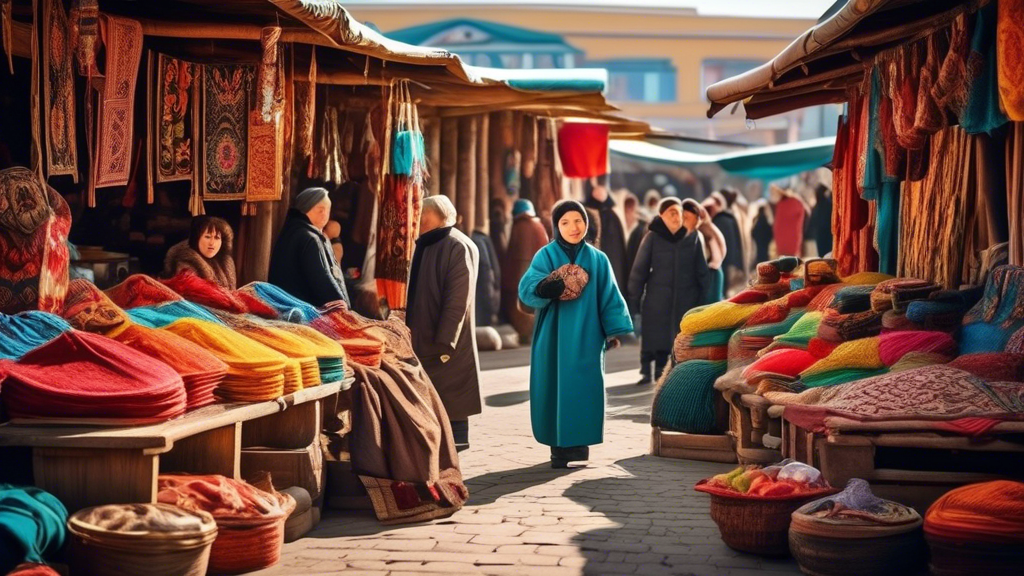
When searching for authentic Kazakh souvenirs, local markets are often the best places to start. Kazakhstan is home to some vibrant bazaars where traditional goods are sold directly by artisans and vendors, making them ideal for colorful and varied shopping experiences.
Green Bazaar: Situated in Almaty, the Green Bazaar, or Zeliony Bazaar, is one of the most popular and oldest markets in the city. Here, you can find a broad spectrum of traditional Kazakh items ranging from textiles to food products.
Whether you are on the hunt for beautifully crafted shyrdaks (traditional Kazakh felt rugs) or looking to sample local Kazakh delicacies, the Green Bazaar offers an array of options under one roof. Don’t miss the opportunity to interact with local vendors, who can often provide fascinating insights into the products they sell.
Zelyony Bazaar: Another name for the Green Bazaar, Zelyony Bazaar is an expansive indoor market teeming with local wares and fresh produce. It’s a treasure trove for anyone seeking authentic Kazakh items. Handcrafted jewelry with ethnic designs, traditional musical instruments like the dombra and kobyz, and all sorts of folk art are available here. Always vibrant and full of life, Zelyony Bazaar is a must-visit for an immersive shopping experience.
Arbat: Not merely a market but an artistic street in Almaty, Arbat street, also known as Zhibek Zholy, features an outdoor marketplace with numerous stalls and shops selling handcrafted goods. Famous for its artisanal vibes and lively atmosphere, Arbat is perfect for finding unique souvenirs like paintings, sculptures, and other handcrafted items. It’s also a great spot for people-watching and mingling with local artists.
Best Artisan Shops and Boutiques: Sairan Craft Center and Almaty Souvenir Shops
For those who prefer more curated shopping experiences, artisan shops and boutiques in Kazakhstan offer high-quality, authentic products. These shops not only provide a plethora of souvenirs but also ensure the authenticity and craftsmanship of each item.
Sairan Craft Center: Located in Almaty, this craft center is renowned for its focus on traditional Kazakh arts and crafts. The center features a range of handmade items such as shyrdaks, tushkiiz (traditional wall hangings), and finely crafted jewelry. What sets Sairan Craft Center apart is its dedication to preserving Kazakh heritage; many items are created using age-old techniques passed down through generations. Shopping here means supporting local artisans and taking home a piece of genuine Kazakh culture.
Almaty Souvenir Shops: Scattered throughout the city, Almaty’s souvenir shops specialize in offering a diverse array of traditional Kazakh items. From musical instruments like the dombra and kobyz to intricately designed jewelry, these shops offer handpicked items that epitomize Kazakh craftsmanship. Many of these shops also offer detailed information on the heritage and background of the objects, making your purchase an educational experience as well.
Tips for Bargaining and Ensuring Authentic Purchases
Bargaining is a common practice in many markets and shops across Kazakhstan, but doing so effectively requires a few tips and tricks.
Understand the Market: Before you start bargaining, take some time to browse different stalls or shops to get a sense of the price range for the items you are interested in. Understanding the general market price will give you a strong position when negotiating.
Show Respect: Bargaining in Kazakhstan is usually conducted with a good-natured approach. Be polite and respectful. Remember that haggling is a social activity as much as it is about getting a good deal. A smile and a friendly demeanor can go a long way in securing a better price.
Start Low but Be Realistic: When you make an initial offer, it’s advisable to start lower than the asking price, but not so low that it offends the seller. A reasonable starting point is about 50-70% of the quoted price, depending on the type of market and item.
Check for Authenticity: Ensuring that the souvenirs you purchase are authentic involves a bit of diligence. Look for signs of handmade craftsmanship, such as slight imperfections and unique patterns. You can also ask sellers about the origin of the products and what materials were used. In doing so, you’re not only securing an authentic item but also learning more about its cultural significance.
Certifications and Receipts: For high-value purchases, such as precious jewelry or intricately crafted textiles, don’t hesitate to ask for certifications of authenticity and receipts. These documents can verify the genuineness of your souvenirs and provide peace of mind.
Engage with Local Artisans: One of the best ways to guarantee authenticity is to buy directly from the artisans who make the products. Markets like the Green Bazaar and artisan shops like Sairan Craft Center often feature booths where artisans display their crafts. Interacting with these creators provides a richer context for your purchase and helps ensure that your souvenir is genuinely traditional and ethically sourced.
Exploring these bustling markets and specialty shops, combined with a sensible approach to bargaining, can make your souvenir shopping in Kazakhstan a memorable and rewarding experience. From the colorful vibrancy of local bazaars to the curated elegance of artisan boutiques, the journey to finding the perfect souvenir can be as exhilarating as the treasures you bring home.
In conclusion, Kazakhstan offers a rich tapestry of unique souvenirs that resonate deeply with the country’s cultural heritage and artisanal prowess. The traditional Kazakh textiles such as shyrdaks and tushkiiz are not only captivating in their intricate designs but also imbued with historical significance.
Handmade jewelry adorned with ethnic motifs provides a perfect blend of beauty and tradition, making it a cherished keepsake. For those musically inclined, authentic Kazakh instruments like the dombra and kobyz serve as distinctive reminders of the nation’s soulful artistry.
When it comes to sourcing these authentic treasures, Kazakhstan’s local markets and specialized shops are invaluable. Bustling bazaars such as the Green Bazaar, Zelyony Bazaar, and Arbat not only offer a diverse array of products but also an immersive shopping experience steeped in local flavor.
For more curated selections, artisan centers like the Sairan Craft Center and various Almaty souvenir shops stand out for their quality and craftsmanship. Navigating these markets and shops with a discerning eye and a knack for bargaining can enhance the authenticity of your purchases, ensuring that each item you bring home is a genuine piece of Kazakh culture.
By exploring these avenues, visitors can acquire meaningful souvenirs that do more than just decorate their homes; they tell a story of a land rich in tradition, art, and history. Whether it’s through the vibrant patterns of a shyrdak, the elegant lines of ethnic jewelry, or the melodic strains of a dombra, these pieces allow you to carry a piece of Kazakhstan’s heart and soul with you long after your travels have ended.


 Souvenir Ideas to Take Home from Every Country and City
Leave a comment