
Nestled on the northeastern coast of South America, Guyana is a land of rich biodiversity and cultural heritage, making it a hidden gem for travelers with a taste for adventure and unique experiences. As you traverse its pristine rainforests, vibrant markets, and charming colonial towns, the urge to capture a piece of Guyana to take back home becomes irresistible.
Souvenirs from Guyana offer a tangible connection to this country’s diverse traditions, remarkable landscapes, and welcoming communities. From intricately woven handicrafts and colorful textiles to flavorful local delicacies and symbolic artifacts, these mementos not only serve as a reminder of your journey but also support local artisans and preserve the heritage of this culturally vibrant nation.
Whether you’re seeking something for yourself or searching for the perfect gift to convey your adventures in Guyana, our guide unfolds a curated selection of the finest Guyanese souvenirs that perfectly encapsulate the essence of this extraordinary destination.
Handcrafted Jewelry
When it comes to authentic souvenirs from Guyana, handcrafted jewelry stands out for its unique beauty and cultural significance. Adorned with indigenous symbolism and created by local artisans, these pieces offer more than just aesthetic value; they are a celebration of Guyana’s rich heritage.
Why Choose Handcrafted Jewelry?
Handcrafted jewelry from Guyana is not just a stylish accessory; it’s a piece of wearable art that tells a story. Every necklace, bracelet, and pair of earrings is meticulously crafted, often utilizing traditional techniques passed down through generations. This attention to detail ensures that each piece is unique.
Materials Used
The materials used in Guyanese handcrafted jewelry vary widely, adding to the uniqueness of each piece. You can find jewelry made from:
- Natural Stones: Natural stones such as jasper, agate, and quartz are commonly used. These stones are not only beautiful but are also believed to possess various healing properties.
- Seeds and Beads: Locally sourced seeds and beads, including abrus seeds, add vibrant colors and textures to the pieces.
- Silver and Gold: More luxurious pieces incorporate precious metals like silver and gold, often intricately engraved with traditional designs.
Popular Styles and Designs
Guyanese jewelry often features designs inspired by the country’s diverse cultural heritage, including influences from Amerindian, African, Indian, and European traditions. Here are some popular styles:
- Amerindian Designs: These designs typically include symbols of nature, such as leaves, animals, and celestial bodies. They are often engraved or carved into the jewelry.
- Beaded Necklaces: These colorful necklaces are made from a variety of beads, sometimes interspersed with natural stones or seeds for added texture.
- Metalwork: Exquisite metalwork pieces often feature intricate designs and patterns. Techniques such as filigree and embossing are commonly used.
- Modern Fusion: Some artisans blend traditional designs with modern aesthetics, resulting in unique pieces that appeal to both traditionalists and contemporary fashion enthusiasts.
Where to Buy
If you’re wondering where to purchase these stunning pieces of handcrafted jewelry, here are some recommendations:
- Local Markets: Visit local markets such as the Stabroek Market in Georgetown, where you can find an array of handcrafted jewelry made by local artisans.
- Craft Stores: Specialized craft stores like the Guyana Shop offer a curated selection of high-quality jewelry from various artisans across the country.
- Online: Many Guyanese artisans have also set up online shops, allowing you to purchase their creations from the comfort of your home. Look for reputable websites that support local craftsmanship.
Supporting Local Artisans
When you buy handcrafted jewelry from Guyana, you are not just purchasing a beautiful accessory; you are also supporting local artisans and their families. Many of these artisans rely on their craft as their primary source of income. Your purchase helps sustain their traditional practices and promotes fair trade.
Caring for Handcrafted Jewelry
To ensure your handcrafted jewelry remains as stunning as the day you bought it, here are some care tips:
- Store Properly: Keep your jewelry in a cool, dry place. Use a jewelry box with compartments to prevent pieces from tangling or scratching each other.
- Avoid Moisture: Remove the jewelry before swimming, bathing, or exercising, as moisture can damage certain materials and tarnish metals.
- Clean Gently: Use a soft cloth to clean your jewelry. Avoid using harsh chemicals or abrasives, which can damage the materials.
- Check Fastenings: Regularly check the fastenings and clasps to ensure they are secure. This helps prevent accidental loss or damage.
Handcrafted jewelry from Guyana makes for an extraordinary souvenir that embodies the country’s artistic talent and cultural depth. Whether you’re buying it for yourself or as a gift, each piece serves as a beautiful reminder of your time spent in this remarkable country.
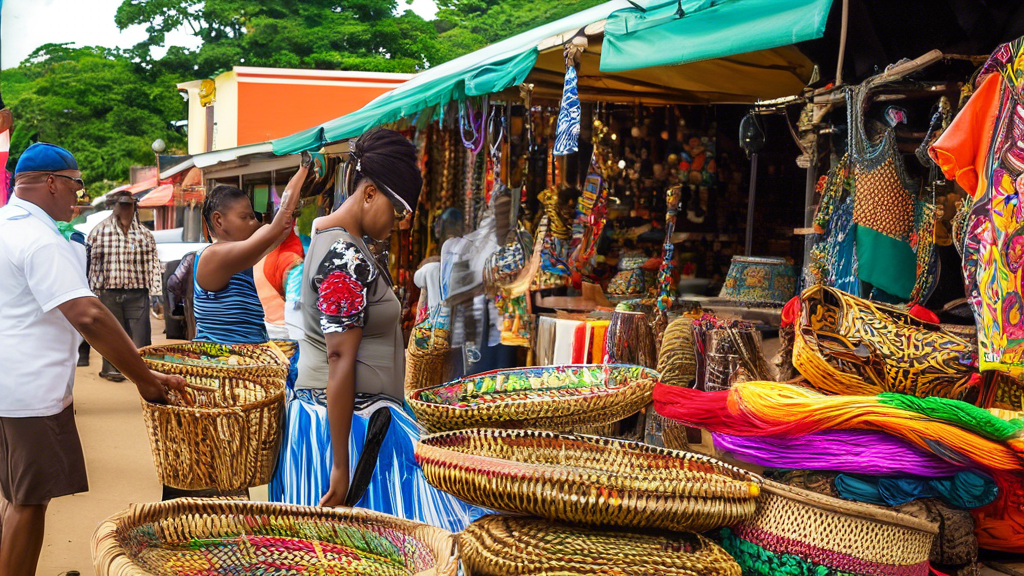
In concluding our exploration of souvenirs from Guyana, we have delved into a rich tapestry of cultural heritage, natural beauty, and artisanal craftsmanship that these items represent. Each souvenir, from the intricate handmade crafts to the vibrant Amerindian pottery, tells a unique story of the diverse and vibrant spirit of the Guyanese people.
The traditional textiles and jewelry not only serve as beautiful mementos but also support and preserve the artisanal legacy passed down through generations. The local culinary delights and natural products stand as a testament to Guyana’s abundant natural resources and deep connection to the land.
Bringing a piece of Guyana back home, whether it is a piece of stunning artwork or a simple bottle of cassareep, ensures that the memories of this remarkable country remain alive and cherished. In essence, Guyanese souvenirs are far more than mere keepsakes; they are windows into the country’s soul, offering a lasting bond with its culture, history, and natural wonders.

 Souvenir Ideas to Take Home from Every Country and City
Leave a comment