
If you’re planning a trip to the beautiful West African nation of Guinea, bringing back a piece of its rich cultural heritage is a must. Guinea is a treasure trove of unique, handcrafted souvenirs that reflect its diverse traditions and vibrant artistic expressions.
From exquisite African masks and traditional griots to meticulously crafted local art, there are plenty of authentic items to discover. You’ll also find natural treasures like Malinke fabrics, intricately designed Guinean jewelry, and hand-woven baskets, each telling its own story of Guinean culture and craftsmanship.
Finding the perfect souvenir in Guinea starts with knowing where to shop. Conakry Artisan Village and Madina Market are among the top destinations, brimming with stalls that offer a plethora of authentic and culturally significant items.
To make the most out of your shopping experience, you need to master the art of bargaining. Effective negotiation strategies can help ensure you get the best deals, while a keen eye for detail will aid in identifying genuine products.
Additionally, embracing ethical shopping practices not only supports local artisans but also ensures the preservation of Guinea’s rich cultural heritage for future generations. So, embark on your shopping adventure with confidence, knowing that each souvenir you bring home will be a cherished reminder of your incredible journey through Guinea.
When visiting Guinea, the array of authentic souvenirs available to tourists offers a rich tapestry of the region’s cultural heritage. Exploring the unique handcrafted items reveals the artistry and traditions deeply embedded in Guinean society. Handcrafted African masks, traditional Griots, and local art pieces are some of the most distinguished keepsakes to bring home.
Explore Unique Handcrafted Items: African Masks, Traditional Griots, and Local Art
African masks from Guinea are celebrated for their intricate designs and cultural significance. These masks aren’t merely decorative items; they represent centuries-old traditions and are often used in ceremonial events. Each region within Guinea has its distinct style, with masks frequently carved from wood and adorned with natural pigments, beads, and other materials.
While these masks are available in various parts of West Africa, the unique craftsmanship of Guinean artisans ensures you acquire a piece of art that stands out.
The art of the Griot—a West African historian, storyteller, praise singer, poet, or musician—is another exquisite souvenir category. Traditional Griot items, such as handcrafted musical instruments like the Kora or Balafon, encapsulate the soul of Guinean culture.
These instruments are not only visually stunning but also carry the melodies of a people who have passed down their history and wisdom through generations. Often made from local materials like wood and gourds and decorated with intricate carvings and beadwork, these instruments serve as both a beautiful display piece and a functional musical treasure.
Local art in Guinea ranges from vivid paintings to detailed sculptures, often depicting everyday life, nature, and historical events. Artisans use a variety of media, including canvas, textile, and clay, to express their creativity and cultural narratives. Purchasing a piece of Guinean art allows you to take home a visual story, richly portrayed by local talents.
Sourcing Natural Treasures: Malinke Fabrics, Guinean Jewelry, and Hand-Woven Baskets
Malinke fabrics, known for their vibrant colors and intricate patterns, are another excellent souvenir option. These traditional fabrics are often handmade using age-old techniques passed down through generations. The process involves dyeing threads with natural pigments and carefully weaving them into detailed patterns that are specific to the Malinke culture.
Whether you’re buying these fabrics as clothing, tablecloths, or decorative items, they provide a tangible connection to Guinea’s cultural heritage.
Guinean jewelry offers another way to carry a piece of the country’s natural beauty and craftsmanship. Typically made from local materials such as gold, silver, and indigenous stones, Guinean jewelry includes necklaces, bracelets, earrings, and rings.
Each piece tends to be handcrafted, adorned with detailed engravings or beading that reflect the unique aesthetics of different ethnic groups. These pieces stand out not just for their beauty but also for the stories and traditions they embody.
Hand-woven baskets are yet another practical and beautiful souvenir. These baskets are typically made from local materials like reeds, grasses, and palm leaves, woven into intricate designs and patterns.
They are often used in everyday Guinean life for carrying goods, storing items, and even as decorative pieces. Owning one of these baskets means having a functional piece of Guinean culture that also adds an artisanal touch to your home.
When selecting souvenirs, remember to appreciate the effort, tradition, and history woven into each item. From African masks to Malinke fabrics, these hand-picked treasures from Guinea offer more than just a memento of your travels—they provide a deep connection to the country’s cultural and artistic heritage.
Where to Shop for Souvenirs in Guinea
Discover the Best Markets: Conakry Artisan Village, Madina Market, and Beyond
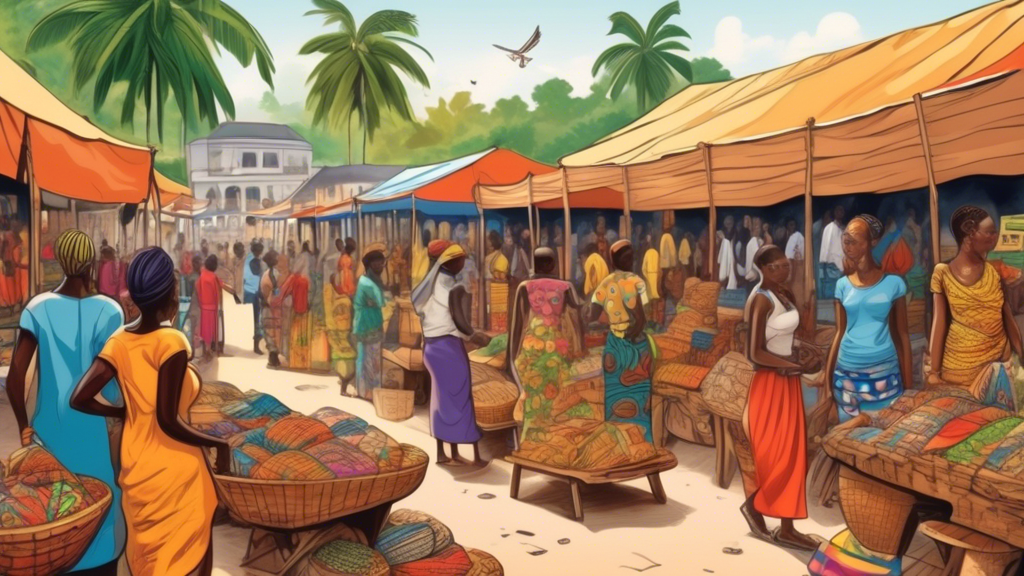
When it comes to shopping for souvenirs in Guinea, the bustling markets and artisan villages are your best bet to find authentic and unique items. These markets not only offer a wide array of local crafts but also provide a vibrant cultural experience. Here’s a breakdown of some of the must-visit markets for souvenir shopping in Guinea.
Conakry Artisan Village
Conakry Artisan Village is a top destination for tourists seeking high-quality, handcrafted souvenirs. Situated in the heart of the capital city, this market is a treasure trove of Guinean culture. You can find everything from intricately carved African masks to locally made jewelry and beautiful textiles.
What makes Conakry Artisan Village stand out is the opportunity to interact with the artisans themselves, gaining insight into their crafts and the rich cultural heritage they represent.
Madina Market
Madina Market, also located in Conakry, is one of the largest markets in Guinea. Known for its lively ambiance and sprawling layout, it offers a diverse range of products that go beyond just souvenirs. However, if you’re on the hunt for authentic Guinean crafts, this market won’t disappoint.
Here, you can discover vibrant Malinke fabrics, meticulously hand-woven baskets, and traditional Guinean jewelry. Remember, the market can be overwhelming due to its size, so it’s advisable to set aside plenty of time to explore thoroughly.
Beyond Conakry: Exploring Regional Markets
While Conakry serves as the primary hub for tourists, venturing beyond the capital can yield even more unique finds. Cities like Kankan, Nzérékoré, and Labé host local markets that are less crowded but equally rich in cultural artifacts. At these regional markets, you have the chance to stumble upon hidden gems like tribal art, rare fabrics, and one-of-a-kind jewelry pieces that aren’t as readily available in the more commercialized capital markets.
Exploring these areas not only enhances your shopping experience but also takes you deeper into the Guinean cultural landscape.
Tips for Bargaining and Ensuring Authenticity
Shopping in Guinea, like many other parts of the world, often involves a bit of bargaining. To ensure you get the best deals and the most authentic products, it’s important to be equipped with some negotiation strategies and tips for identifying genuine items. Here’s a handy guide to help you navigate through the bustling markets of Guinea.
Negotiation Strategies
Bargaining is an expected part of the shopping process in Guinea, and it can actually be quite enjoyable if done right. Here are some tips to help you negotiate effectively:
- Start Low: It’s a common practice to start your offer at around 50-60% of the initial asking price. This gives you room to negotiate up to a fair price.
- Be Polite: Always maintain a friendly and respectful demeanor. Negotiation is as much about building rapport as it is about the price.
- Know the Value: Before you start bargaining, have a rough idea of what the item should cost. This can be achieved by observing prices at various stalls or doing a bit of research beforehand.
- Walk Away Tactic: If the price is not coming down, be prepared to walk away. Often, this will prompt the seller to offer a better deal.
Identifying Genuine Products
Authenticity is key when purchasing souvenirs, especially handcrafted items. Here’s how you can ensure that you are buying genuine Guinean products:
- Details and Craftsmanship: Look closely at the details and quality of the craftsmanship. Authentic items tend to have intricate details that mass-produced goods lack.
- Material Check: Genuine traditional items are typically made from local materials. For example, authentic Malinke fabrics will have a distinct feel and look compared to cheap imitations.
- Ask Questions: Don’t hesitate to ask the seller about the origins of the item, the materials used, and how it was made. Genuine sellers are usually proud of their craftsmanship and happy to share this information.
Ethical Shopping Practices
While finding the perfect souvenir is important, it’s equally crucial to shop ethically. Here are a few considerations to keep in mind:
- Support Local Artisans: Whenever possible, buy directly from local artisans. This ensures they receive a fair price for their work.
- Fair Trade Shops: Look out for shops that adhere to fair trade practices. These establishments are committed to fair pricing, sustainability, and ethical production.
- Avoid Exploitative Bargaining: While bargaining is common, ensure that your final price still reflects a fair wage for the artisan’s effort and skill.
By following these tips, you’ll not only find the best souvenirs from Guinea but also ensure that your purchases are genuine and your shopping practices are ethical. Happy shopping!
In conclusion, Guinea offers a diverse range of authentic souvenirs that provide travelers with a unique glimpse into the country’s rich cultural heritage. From exploring unique handcrafted items such as African masks, traditional griots, and local art, to discovering natural treasures like Malinke fabrics, Guinean jewelry, and hand-woven baskets, visitors have the opportunity to take home a piece of Guinea’s vibrant artistry and traditions.
Shopping for these souvenirs is best done at renowned local markets such as the Conakry Artisan Village and Madina Market, where a variety of items and a genuine cultural experience await.
To ensure the authenticity and value of the souvenirs, it is essential to employ effective bargaining strategies, identify genuine products, and embrace ethical shopping practices. Learning the art of negotiation, recognizing true craftsmanship, and supporting local artisans contribute to a respectful and meaningful shopping experience.
Ultimately, the souvenirs from Guinea are more than just keepsakes; they are tangible connections to the rich history, skills, and stories of the Guinean people, making them invaluable reminders of your journey.


 Souvenir Ideas to Take Home from Every Country and City
Leave a comment