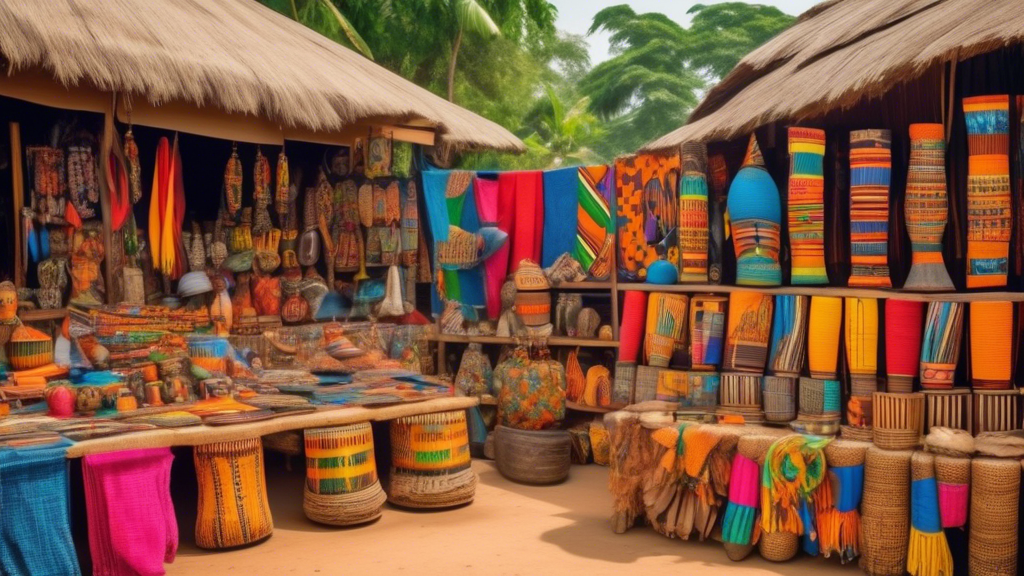
Ghana, the vibrant heart of West Africa, is not only known for its rich history and diverse cultures but also for its exquisite range of souvenirs that embody the country’s traditions and artistic heritage.
From the colorful and intricate Kente cloth to the mesmerizing beaded jewelry and detailed wooden carvings, Ghanaian souvenirs offer a unique glimpse into the country’s craftsmanship and cultural narratives. Each artifact carries its own story, echoing the skills and tales passed down through generations.
For travelers eager to bring a piece of Ghana back home, understanding the cultural importance behind these items adds an enriching layer to their journey.
When it comes to shopping for authentic souvenirs, Ghana offers an array of bustling markets and artisan villages where visitors can find truly unique treasures. Notable spots such as Accra’s Arts Centre and the Kumasi Cultural Centre stand out as prime locations for discovering genuine Ghanaian crafts.
To make the most of your shopping experience, knowing a few tips on bargaining and ensuring the authenticity of your finds can go a long way. Dive into the world of Ghanaian artistry and culture through its souvenirs, and take home a piece of this enchanting country that will forever remind you of its vibrant spirit and traditions.
Unique Artifacts and Handicrafts: Kente Cloth, Beaded Jewelry, Wooden Carvings
Ghana, a land rich in culture and history, offers a wide range of traditional souvenirs that capture the essence of its vibrant heritage. Among the most popular items are Kente cloth, beaded jewelry, and wooden carvings. Each of these artifacts is a testament to the craftsmanship and artistic prowess of the Ghanaian people.
Kente Cloth
Kente cloth is perhaps the most iconic Ghanaian textile. Known for its brightly colored and intricately woven patterns, Kente cloth is traditionally produced by the Akan ethnic group, particularly the Ashanti and Ewe people.
The cloth is made from silk and cotton, woven in narrow strips that are then sewn together to create a larger fabric. Historically, Kente was worn by royalty and during significant ceremonies, but today, it has become a symbol of African heritage and pride recognized worldwide.
The patterns and colors of Kente cloth are not merely decorative; each design holds specific meanings and symbolism. For instance, a particular color combination might represent a proverb, historical event, or a regal symbol.
When purchasing Kente cloth as a souvenir, it is not just a piece of fabric you are acquiring but a rich tapestry of Ghanaian culture and storytelling.
Beaded Jewelry
Beaded jewelry is another popular souvenir that reflects Ghana’s rich tradition and craftsmanship. Beads in Ghana are more than just decorative items; they have cultural and spiritual significance. Different types of beads are used to symbolize social status, marital status, and other important life stages.
Crafters use locally sourced materials such as glass, wood, stones, and metals to create beautiful beaded necklaces, bracelets, earrings, and anklets. One of the most remarkable kinds of beads you will find in Ghana is the Krobo beads.
These are handcrafted using recycled glass and have become a significant form of artistic expression. Purchasing beaded jewelry directly from artisans ensures that you are receiving an authentic piece that is imbued with cultural meaning.
Wooden Carvings
Wooden carvings are another exquisite form of art that you will encounter in Ghana. These carvings, often made from locally sourced woods such as ebony, mahogany, and sese, depict various themes from everyday life, traditional symbols, and spiritual beliefs.
Master carvers use age-old techniques passed down through generations to create these beautiful pieces of art.
Characters such as ancestral spirits, wildlife, and mythological creatures are popular subjects for these carvings. They serve not only as decorative items but also as a way of preserving history, religion, and social values.
When choosing a wooden carving, it is essential to understand the story and significance behind the piece, as it adds to the sentimental value and authenticity of the souvenir.
Cultural Significance: The Stories Behind Popular Souvenirs
The cultural significance of Ghanaian souvenirs goes far beyond their aesthetic appeal. Each item carries a story, a piece of history, and an element of the Ghanaian way of life that has been preserved and cherished over generations.
Understanding the stories behind these popular souvenirs can deepen your appreciation for them and offer a more enriching experience.
Kente Cloth: A Tapestry of Royalty and Tradition
Kente cloth is steeped in symbolism and tradition. Originally, it was the preserve of Ashanti royalty, reserved for special occasions and ceremonies. The intricate patterns and colors are not arbitrary; they tell stories of valor, history, and spirituality.
For example, a common pattern known as Adwinasa translates to all motifs are used up, symbolizing the ultimate achievement and creative ingenuity. Another popular design, Emaa Da, which means it has not happened before, is used to commemorate unprecedented events.
Wearing Kente cloth is a way of partaking in these stories and traditions. It serves as a bridge connecting the past to the present, a wearable history book that tells tales of ancient wisdom and royal grandeur.
Thus, when you buy Kente cloth as a keepsake, you are not merely purchasing fabric but an artifact laden with centuries of history and culture.
Beaded Jewelry: The Language of Beads
In Ghana, beads are often referred to as the language of beads due to their capacity to convey complex messages without words. Different beads are used in various rites of passage, such as childbirth, puberty, marriage, and even death.
For instance, in the Krobo area, beads called dipo are used during female initiation ceremonies, symbolizing a girl’s transition into womanhood.
Furthermore, certain beads are traditionally worn for their spiritual properties. For example, Abrɔ beads, made from coral, are considered protective and are often worn by chiefs to ward off evil spirits.
When you purchase beaded jewelry in Ghana, you are acquiring more than an accessory; you are getting a piece of cultural heritage embedded with symbolic meaning.
Wooden Carvings: Guardians of Tradition
The wooden carvings of Ghana are much more than decorative pieces; they serve as guardians of tradition and custodians of collective memory. Many of these carvings play a crucial role in spiritual practices and ceremonies.
For example, Akuaba dolls, characterized by their round, flat faces, are fertility figures believed to bring good luck to women who desire to conceive.
Additionally, stools and totems are often carved to signify the status of an individual within the community and serve as symbols of authority and continuity. The Golden Stool of the Ashanti is perhaps the most iconic, believed to house the spirit of the Ashanti nation. Such items are deeply revered and are treated with the utmost respect.
Understanding the stories behind these wooden carvings enriches their value, making them not just artifacts for display but honored relics that tell the tale of Ghana’s enduring cultural legacy.
In summary, Ghanaian souvenirs like Kente cloth, beaded jewelry, and wooden carvings are more than just mementos; they are vibrant expressions of the nation’s history, values, and artistry. By appreciating the cultural significance of these items, you gain a deeper connection to the rich heritage of Ghana, making your souvenirs not just keepsakes but treasured pieces of cultural history.
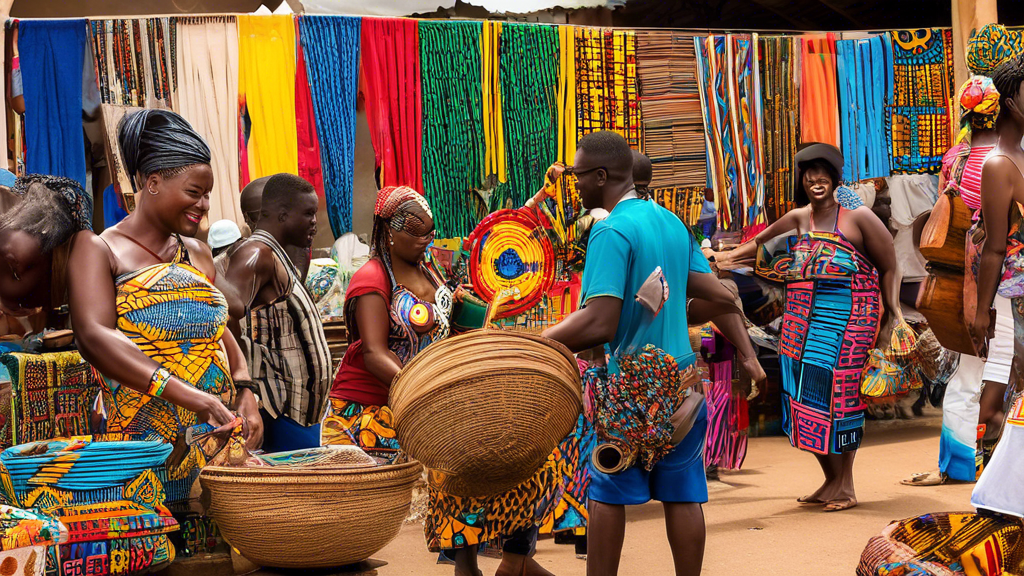
Where to Shop for Authentic Souvenirs in Ghana
Top Markets and Crafts Villages: Accra’s Arts Centre, Kumasi Cultural Centre
When shopping for authentic souvenirs in Ghana, you must visit the renowned markets and crafts villages where local artisans showcase their exquisite creations.
Accra’s Arts Centre
One of the premier destinations is Accra’s Arts Centre, located in the heart of the capital. This bustling marketplace is a treasure trove of traditional Ghanaian handicrafts. You can find beautifully woven Kente cloth, intricately designed beaded jewelry, and expertly carved wooden figures.
The Arts Centre is an ideal place to shop, as it brings together a diverse range of artisans under one roof, making it easy to compare and choose the perfect souvenirs.
Beyond merely shopping, Accra’s Arts Centre offers an immersive cultural experience. Spend time talking to the craftsmen, learning about the intricate processes involved in creating their works. This interaction not only enhances your appreciation of the souvenirs but also allows you to support the local community directly.
Kumasi Cultural Centre
Another must-visit location is the Kumasi Cultural Centre, located in Ghana’s Ashanti region. Known as the cultural hub of the Akan people, Kumasi is the best place to explore Ghanaian heritage through its arts and crafts. At the Cultural Centre, you will find a vast array of unique items, from traditional Ashanti stools to elaborate brass work.
The Kumasi Cultural Centre also boasts live demonstrations and workshops, offering visitors an opportunity to witness firsthand the creation of these remarkable souvenirs. Additionally, it is a rich center for understanding the deep cultural significance behind each handcrafted item.
Tips for Bargaining and Ensuring Authenticity
Shopping in Ghana is an engaging and interactive experience, and bargaining is a common part of the process. Here are some tips to help you navigate the markets effectively and ensure that the souvenirs you purchase are authentic.
Mastering the Art of Bargaining
Bargaining is expected in most Ghanaian markets, and it’s considered part of the shopping experience. Approach it with a friendly attitude:
- Start Low: It’s common practice to offer a price lower than what you are willing to pay. This opens the door for negotiations.
- Be Respectful: Maintain a respectful and friendly demeanor. Bargaining should be fun, not confrontational.
- Know When to Walk Away: If a seller is not willing to meet you at a reasonable price, it’s perfectly acceptable to walk away. This often leads to the seller reconsidering the offer.
Ensuring Authenticity
When buying souvenirs, it is essential to ensure that they are authentic and ethically sourced. Here are some guidelines:
- Ask Questions: Engage with the vendors about how and where the items were made. Authentic sellers are usually eager to discuss their craft.
- Look for Details: Pay attention to the craftsmanship. Authentic items typically show a high level of detail and quality.
- Research: Before going shopping, research common characteristics of the items you are interested in. This can help you identify genuine articles and avoid counterfeit products.
By following these tips, you can enhance your shopping experience in Ghana, ensuring you bring home not only beautiful souvenirs but also meaningful pieces of Ghanaian culture.
In conclusion, souvenirs from Ghana encapsulate the rich cultural tapestry and artisanal heritage of the nation. From the intricate patterns of Kente cloth to the delicate craftsmanship of beaded jewelry and wooden carvings, each artifact tells a unique story, representing centuries of tradition and craftsmanship.
These souvenirs not only serve as cherished mementos for travelers but also embody the vibrant history and customs of Ghanaian society.
Shopping for these authentic pieces is an adventure in itself, with bustling markets and dedicated crafts villages such as Accra’s Arts Centre and the Kumasi Cultural Centre providing a diverse array of options. Engaging with local artisans in these spots offers a deeper understanding and appreciation of the cultural significance behind each item.
Moreover, mastering the art of bargaining and taking mindful steps to ensure authenticity can enhance the overall shopping experience, ensuring that each souvenir is a genuine representation of Ghana’s rich cultural heritage.
Bringing home such mementos allows travelers to carry a piece of Ghana with them, fostering a lasting connection to the country’s vibrant culture and enhancing the narrative of their travel experience. Whether for personal keepsakes or meaningful gifts, these souvenirs offer a tangible link to the warmth, creativity, and history of Ghana.


 Souvenir Ideas to Take Home from Every Country and City
Leave a comment