
Eritrea, a gem nestled in the Horn of Africa, offers a rich tapestry of culture, history, and tradition waiting to be explored by visitors. One of the most delightful ways to bring a piece of this enchanting nation back home is through its diverse range of unique souvenirs.
Whether you’re a lover of finely crafted jewelry, a devotee of vibrant textiles, or an aficionado of traditional artistry, Eritrea has something for every traveler.
Among the popular souvenirs, handcrafted items stand out as tokens of Eritrea’s artistic heritage. Traditional Eritrean jewelry, known for its intricate designs and cultural significance, makes for a cherished keepsake.
Intricately carved wooden artifacts showcase the skilled craftsmanship and artistic flair that characterize Eritrean artisan heritage.
Textiles and garments constitute another must-buy category for souvenir seekers. The authentic Habesha Kemis, a traditional dress that tells stories of Eritrea’s cultural diversity, is a splendid addition to any wardrobe.
Colorful traditional shawls, woven with age-old techniques and vibrant patterns, are perfect for those looking to add a touch of Eritrean elegance to their everyday attire.
For coffee enthusiasts, Eritrea offers more than just quality beans; it provides a gateway to its rich coffee culture. Bringing home Eritrean coffee beans along with traditional coffee pots, known as Jebena, allows you to recreate the cherished coffee ceremonies that are a cornerstone of Eritrean social life.
Art aficionados will find an array of Eritrean paintings, sculptures, and pottery that capture the country’s beauty and resilience. These artistic pieces serve not just as decorative items but as timeless memories of your journey through this fascinating land.
While Eritrea is replete with these enchanting souvenirs, knowing where to buy them enhances the experience. Asmara Central Market and Medebar Market are popular spots brimming with local crafts and authentic finds. Additionally, local artisan shops scattered throughout Asmara offer a more curated selection of souvenirs.
Bargaining is a common practice in these markets, but understanding the local market dynamics ensures a fair and enjoyable shopping experience. Supporting local artisans by purchasing from shops and cooperatives dedicated to fair trade not only provides you with unique souvenirs but also helps sustain Eritrean craft traditions.
Exploring Eritrea through its souvenirs offers a unique window into its culture and traditions, making your travel experience both memorable and meaningful.
Unique Handcrafted Items
Eritrea offers a treasure trove of unique handcrafted items that reflect the country’s rich cultural heritage. Among the most sought-after souvenirs are traditional Eritrean jewelry and intricately carved wooden artifacts.
Traditional Eritrean jewelry, often crafted from silver, gold, and other precious metals, is not only a testament to the country’s artisanal prowess but also a reflection of its storied history. Look for items such as necklaces, bracelets, and earrings, which often feature intricate designs and traditional motifs.
Intricately carved wooden artifacts are another popular choice. These items, often made from locally sourced wood, display the skill and craftsmanship of Eritrean artisans. From beautifully carved masks and statues to intricately designed utensils and furniture, these wooden artifacts make for timeless souvenirs that will remind you of Eritrea’s rich cultural tapestry.
Local Textiles and Garments
A trip to Eritrea would be incomplete without bringing back some of the country’s beautiful local textiles and garments. The authentic Habesha Kemis is a traditional Eritrean dress worn by women, typically made from locally woven cotton.
Known for its elegance, the Habesha Kemis is often adorned with intricate embroidery, adding to its allure. This garment not only serves as a beautiful keepsake but also as a wearable piece of Eritrean heritage.
Colorful traditional shawls are another popular textile souvenir. These shawls are often hand-woven and dyed using natural colors, showcasing the vibrant hues of Eritrean culture. Whether you choose a shawl for its aesthetic appeal or for its cultural significance, it’s sure to add a splash of color to your wardrobe and serve as a beautiful reminder of your time in Eritrea.
Eritrean Coffee and Ceremonial Sets
Eritrea is known for its rich coffee culture, making Eritrean coffee and ceremonial sets ideal souvenirs for coffee lovers. Eritrean coffee beans are renowned for their robust flavor and aroma, offering a unique taste experience that’s distinct from other coffee-growing regions.
When selecting coffee beans, look for high-quality, locally sourced options to ensure you’re getting the best possible product.
Additionally, consider bringing home a traditional coffee pot, or Jebena, used in Eritrean coffee ceremonies. The Jebena is typically made from clay and features a distinctive round base and long spout. This ceremonial coffee pot not only makes for a stunning decorative piece but also allows you to recreate the authentic Eritrean coffee experience at home.
Including other ceremonial items such as traditional cups and a coffee roasting pan will complete the set, making it a cherished keepsake for any coffee enthusiast.
Artistic Souvenirs
Eritrea is home to a vibrant artistic community, and artistic souvenirs such as paintings, sculptures, and pottery provide a wonderful way to bring a piece of this creative spirit back with you. Eritrean paintings often depict scenes of daily life, historical events, and beautiful landscapes, offering a colorful and evocative glimpse into the country’s soul.
These artworks, whether created by established artists or local talents, can be a beautiful addition to your home decor.
Sculpture is another art form that thrives in Eritrea. From small figurines to larger works, Eritrean sculptures often incorporate traditional themes and symbolism, crafted with meticulous attention to detail.
These sculptures made from materials such as wood, metal, and stone can serve as lasting mementos of your journey.
Pottery is also deeply ingrained in Eritrean culture, with many pieces showcasing traditional designs and techniques passed down through generations. Whether it’s a beautifully decorated bowl, a vase, or a traditional cooking pot, Eritrean pottery is both functional and decorative.
These pieces make excellent souvenirs, reflecting the rich artistry and cultural heritage of Eritrea.
Where to Buy Souvenirs in Eritrea
Popular Markets and Souvenir Shops
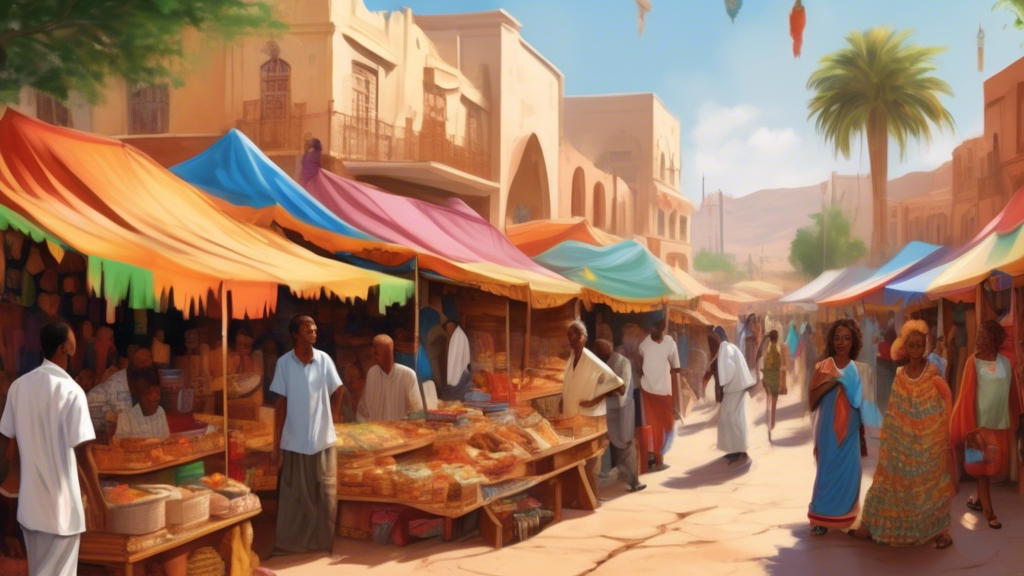
One of the best parts of collecting souvenirs from Eritrea is exploring the vibrant local markets and shops where these treasures are found. Asmara Central Market is a prime destination for finding unique souvenirs.
Located in the heart of the capital city, this bustling market offers a plethora of goods ranging from traditional clothing to intricate handicrafts, making it an ideal spot for picking up memorable keepsakes.
Medebar Market is another must-visit location for souvenir hunters. Known for its industrious atmosphere, this market specializes in recycled and repurposed materials. Here, you can find one-of-a-kind items that tell a story of creativity and sustainability.
Look for unique metal artifacts, handmade utensils, and other inventive crafts that showcase the resourcefulness of local artisans.
In addition to these larger markets, Asmara is dotted with local artisan shops and smaller souk-like settings. These shops often focus on specific types of crafts, such as pottery, textiles, or jewelry.
Many artisans in these shops are masters of their craft, producing goods that carry a genuine sense of Eritrean culture and tradition. It’s worth taking the time to explore these individual stores as they often contain exclusive items not found in larger markets.
Tips for Bargaining and Purchasing
Navigating the market landscape in Eritrea can be a thrilling experience, and part of the fun is engaging in the local practice of bargaining. Here are some essential tips to ensure you get the best deals and authentic items:
Understand Local Market Practices:
Bargaining is a common practice in Eritrean markets, and it’s expected, especially in popular tourist spots. Start by offering about half of the initial asking price and work your way up from there. Always be respectful and courteous during negotiations to maintain a positive interaction.
Ensure Authenticity of Handicrafts:
When purchasing handcrafted souvenirs, it’s crucial to ensure their authenticity. Look for tell-tale signs of handcrafted quality, such as slight imperfections and unique designs, which indicate that an item was made by hand rather than mass-produced. Don’t hesitate to ask vendors about the origin of the item or the techniques used in its creation.
Learn Some Local Language:
A few words in Tigrinya or Arabic can go a long way in establishing rapport with sellers and potentially securing a better price. Simple greetings and expressions of appreciation can create a positive exchange and demonstrate your respect for local culture.
Timing is Key:
Visit markets early in the day when vendors are more likely to be flexible with prices. They believe that making a sale first thing in the morning brings good luck for the rest of the day. Conversely, shopping late in the day may also yield better deals as sellers look to offload remaining stock.
Supporting Local Artisans
Purchasing souvenirs in Eritrea is not just about collecting beautiful items; it also provides an opportunity to support local artisans and their communities. Many artisans rely on fair trade practices to sustain their livelihoods, and by buying from shops and cooperatives dedicated to these principles, you can ensure that your money contributes to the local economy ethically.
For example, several cooperatives in Eritrea focus on empowering women artisans by providing them with resources and training to produce and sell their crafts. Purchasing goods from these cooperatives can have a far-reaching impact, helping to preserve traditional crafts and support the artisans’ families.
Additionally, numerous shops in Asmara and other cities are part of fair-trade networks, ensuring fair compensation and working conditions for their artists. These establishments often display certifications or signs denoting their commitment to fair trade principles, making it easier for conscious consumers to identify and support them.
When you buy from local artisans, you’re not only taking home a piece of Eritrean culture but also contributing to the preservation of age-old traditions and the economic well-being of the community. This mindful shopping experience ensures that your souvenirs carry a deeper connection to the land and its people.
In conclusion, Eritrea offers a rich and diverse array of souvenirs that truly capture the essence of its vibrant culture and artistic heritage. From the unique handcrafted items such as traditional Eritrean jewelry and intricately carved wooden artifacts to the beautifully woven local textiles like the authentic Habesha Kemis and colorful traditional shawls, each item provides a tangible connection to the country’s traditions and craftsmanship.
Visitors can also take home a piece of Eritrea’s rich coffee culture with quality coffee beans and traditional ceramic coffee pots, enhancing the experience with a ceremonial touch. Art enthusiasts will find delight in the variety of artistic souvenirs available, including Eritrean paintings, sculptures, and pottery, each telling a story of the nation’s artistic journey and expressions.
Buying souvenirs in Eritrea is an equally immersive experience, with bustling marketplaces like the Asmara Central Market and Medebar Market offering a plethora of choices. Local artisan shops in Asmara also present an opportunity to purchase authentic and unique items while directly supporting the creators behind the crafts.
Engaging in the local market practices, including bargaining, ensures not only obtaining a fair price but also establishing a meaningful connection with the sellers. Supporting shops and cooperatives committed to fair trade and local craftsmanship further ensures that the purchase makes a positive impact on the artisan communities.
Ultimately, the souvenirs you bring home from Eritrea will be more than just mementos; they will be cherished symbols of your encounter with the country’s rich heritage, creativity, and warm hospitality.


 Souvenir Ideas to Take Home from Every Country and City
Leave a comment